
Custom Overmolding & Encapsulation Services
Low-pressure RIM molding for electronics, structural inserts, and rugged one-piece assemblies.
- ISO 9001:2015 Registered
- ITAR Compliant
- 24-72 Hour CAD Review
Overmolding Services Built for Production, Not Prototypes
Most overmolding services are built around high-heat, high-pressure thermoplastic injection molding—where electronics and complex assemblies are treated as constraints rather than core requirements.
Rimnetics takes a different approach.
Our overmolding and encapsulation capabilities are built on reaction injection molding (RIM), a low-pressure molding process that uses engineered polyurethane (PUR) plastic systems instead of high-heat thermoplastics. Due to the low heat-low pressure nature of the RIM process, it allows us to safely encapsulate circuit boards, batteries, antennas, and sensitive electronics without damaging them during the molding process.
The result is a structural, production-ready part that:
- ✓Protects internal components from environmental exposure
- ✓Reduces or eliminates secondary assembly operations
- ✓Consolidates multiple parts into a single molded solution
If your product operates in harsh environments, integrates electronics, or requires long-term durability, RIM overmolding is the right choice.
.jpg)
What Is Overmolding?
Overmolding is a manufacturing process where one material is formed over or around an existing component—called the substrate or insert—to create a single integrated part.
Depending on the application, overmolding can:
- ✓Reinforce structural components
- ✓Seal and protect internal assemblies
- ✓Add grip, flexibility, or vibration dampening
- ✓Integrate hardware directly into the part
In RIM-based overmolding, polyurethane acts as both the structural material and a natural adhesive—bonding to metal, plastic, and electronics without the need for secondary bonding steps.
Overmolding vs. Encapsulation
While closely related and often used interchangeably, overmolding and encapsulation serve slightly different functions in production.
- ✓Overmolding — Material is formed over or around a component, which may remain partially exposed
- ✓Encapsulation — The component is fully embedded within the material for complete environmental protection
In most production applications, both are used together. The goal is the same: a single consolidated part that does more, weighs less, and requires fewer downstream assembly steps.
How the RIM Overmolding Process Works
Reaction injection molding forms parts through a controlled chemical reaction rather than high heat and pressure. This is what makes low-pressure overmolding ideal for sensitive assemblies.
Component Placement
Substrates, inserts, or electronics are secured inside the mold.
Low-Pressure Injection
The mold is closed and liquid polyurethane is injected at low pressure, flowing around components without damage.
Encapsulation or Overmold Formation
Material partially covers or fully surrounds the component.
Cure & Demold
The material reacts, cures, and forms a structural, finished part.
Demold & Finishing
Parts are removed and can be trimmed, coated, or finished in-house as required.
Traditional injection molding can exceed 10,000 psi. RIM typically operates below 100 psi. For applications like PCB overmolding, or electronics overmolding, that pressure difference is the reason components survive the process intact.
What Can Be Overmolded?
RIM low-pressure overmolding supports a wide range of embedded components and assemblies, including:
- ✓Circuit boards and PCB assemblies
- ✓Batteries and power systems
- ✓Antennas and communication modules
- ✓Sensors, connectors, and cable assemblies
- ✓Magnets and embedded components
- ✓Metal rods, clips, and threaded inserts
These components can be permanently integrated into a single structural part, reducing failure points, simplifying assembly, and improving long-term reliability.
Not sure if your application is a fit? Send us your CAD file and we'll provide an initial feasibility assessment.
Overmolding Materials
Polyurethane System Types
Rimnetics uses engineered polyurethane systems developed specifically for reaction injection molding. Unlike thermoplastic materials, these systems are processed at low temperature and low pressure through a chemical reaction.
- ✓Rigid Polyurethane — Structural enclosures and load-bearing housings
- ✓Semi-Rigid Polyurethane — Impact-resistant parts and protective shells
- ✓Elastomeric Polyurethane — Rubber-like flexibility for sealing, grip, and vibration dampening
- ✓Structural Foam Polyurethane — Lightweight parts with high stiffness-to-weight ratios
Substrate Compatibility
Because polyurethane behaves as a natural adhesive during the RIM process, it bonds directly to a wide range of substrate materials without primers or secondary adhesives.
- ✓Metals — Steel, aluminum, brass, and copper inserts and assemblies
- ✓Rigid Plastics — ABS, polycarbonate, nylon, and other thermoplastic housings
- ✓Foam Substrates — Existing RIM or urethane foam cores
- ✓Electronic Assemblies — PCBs, circuit boards, battery packs, antenna modules, and sensor arrays
Ready to See If Your Part Is a Fit for RIM Overmolding?
Upload your CAD file and our engineering team will review it for technical and economic feasibility. No commitment required.
Advantages of RIM Overmolding & Encapsulation
- ✓Safe for Sensitive Electronics — Low pressure and low heat allow sensitive components like PCBs, batteries, and sensors to be encapsulated without damage.
- ✓Part Consolidation — Multiple components can be combined into a single molded structure—reducing labor, cost, and potential failure points.
- ✓Environmental Protection — Polyurethane forms a durable barrier against moisture, dust, oils, and chemicals—improving long-term reliability in harsh operating environments.
- ✓Strong Material Bonding — The polyurethane system bonds directly to metals, plastics, and electronic assemblies during curing— eliminating the need for secondary adhesives or bonding operations.
- ✓Durability & Impact Resistance — Overmolded parts absorb impact and dampen vibration more effectively than rigid assemblies—protecting internal electronics and extending product lifespan.
- ✓Lower Tooling Investment — Aluminum tooling reduces upfront cost compared to traditional injection molding steel tools—making RIM a strong fit for low-to-mid volume production.
When Is Overmolding the Right Choice?
Overmolding is a strong fit when:
- ✓Your design includes sensitive electronics or PCB assemblies
- ✓The product operates in harsh or outdoor environments
- ✓You want to eliminate fasteners, adhesives, or secondary assembly
- ✓The geometry is complex or multi-material
- ✓You need a sealed, one-piece solution
- ✓Production volumes fall within low-to-mid range
If several of these apply, overmolding should be evaluated early in the design process.
Common Applications
Rimnetics partners with teams across industries where protection, precision, and production reliability are non-negotiable.
Medical Devices
Overmolded enclosures and structural housings for diagnostic equipment, imaging systems, and mobile medical carts.
Laboratory Equipment
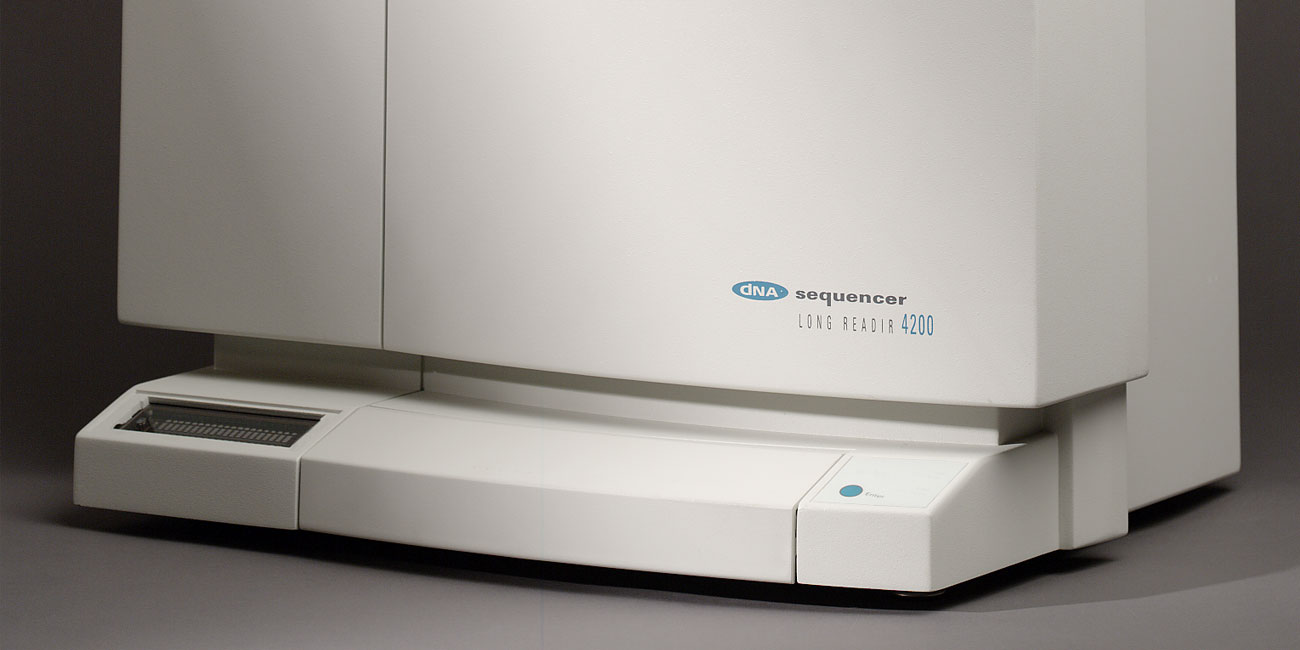
Instrument housings and protective enclosures for analyzers, benchtop systems, and diagnostic devices.
Robotics
Structural housings and integrated assemblies for robotic systems and automation platforms.
Electronics
Overmolded housings for kiosks, ATMs, industrial control systems, and connected devices.
Industrial Equipment
Structural components and protective enclosures for machinery interfaces, control panels, and factory floor systems.
What Sets Rimnetics Apart
Rimnetics is a single-source manufacturing partner for complex, integrated parts—not a commodity molder.
ISO 9001:2015 Registered
Quality systems built for regulated industries.
ITAR Compliant
Trusted for defense and government applications.
40+ Years of RIM Expertise
Proven performance on complex programs.
In-House Tooling Adjustments & Manufacturing
Faster timelines and greater control.
Low-Pressure Molding Specialists
Ideal for electronics and encapsulation.
24-72 Hour CAD Review
Fast, actionable engineering feedback.
Large-Format Molding
Panels and parts up to 8’ × 8’ × 3’ in a single shot.
Overmolding & Encapsulation FAQs
What is RIM overmolding?+
Overmolding is a manufacturing process in which one material is formed over or around an existing component or substrate to create a single, integrated part with added protection, function, or structural integrity. In RIM overmolding, polyurethane is introduced at low pressure around the substrate, bonding to it chemically as it cure
Is encapsulation waterproof?+
Yes. Encapsulation molding can fully seal components for wet, outdoor, or submerged environments. The degree of sealing depends on part geometry and the encapsulation approach. Applications requiring specific IP ratings should be discussed with the Rimnetics engineering team during the feasibility review.
What is insert overmolding?+
Insert overmolding refers to anchoring metal inserts, threaded hardware, rods, clips, or other components directly into the molded part during the overmolding process. The insert is placed in the mold before injection, and the polyurethane cures around it, locking it permanently in place without adhesives or secondary assembly.
What industries use overmolding services?+
Common industries include medical devices, defense, laboratory equipment, industrial controls, robotics, and electronics manufacturing. Applications range from PCB and circuit board encapsulation to field equipment housings and overmolded instrument enclosures.
What are the minimum volumes for RIM overmolding?+
RIM tooling economics are best suited for programs running approximately 50 to several thousand units per year. Lower tooling costs relative to conventional injection molding make RIM a practical option at volumes where other processes become cost-prohibitive.
How do I know if my part is a good fit?+
Submit your CAD file through our upload portal. Our engineering team will review the design for technical and economic feasibility and provide initial feedback within 24-72 hours. There is no commitment required for the feasibility review.

Ready to Simplify Your Assembly with RIM Overmolding?
If your design involves electronics, inserts, or complex assemblies, overmolding can reduce cost, improve durability, and streamline production.
Upload your CAD file for a fast feasibility review, or reach out to us today to speak with a RIM specialist.