
RIM Tooling & Engineering Services
Design review, aluminum tooling, and manufacturability guidance for large, complex parts.
- ISO 9001:2015 Registered
- ITAR Compliant
- 24-72 Hour CAD Review
Molded Solutions® Don’t Just Happen — They Are Designed
Many designers and mechanical engineers approach a new part with traditional injection molding, thermoforming, or sheet-metal fabrication in mind. Bring your design to the Rimnetics RIM molding and engineering team, and you can be confident it will be designed, prepared for tooling, and produced to the highest standard — with the highest possible efficiency.
RIM engineering is not a commodity service. It requires deep process knowledge, hands-on design review, and tooling built specifically for the geometry and production requirements of your part. That is exactly what Rimnetics delivers.
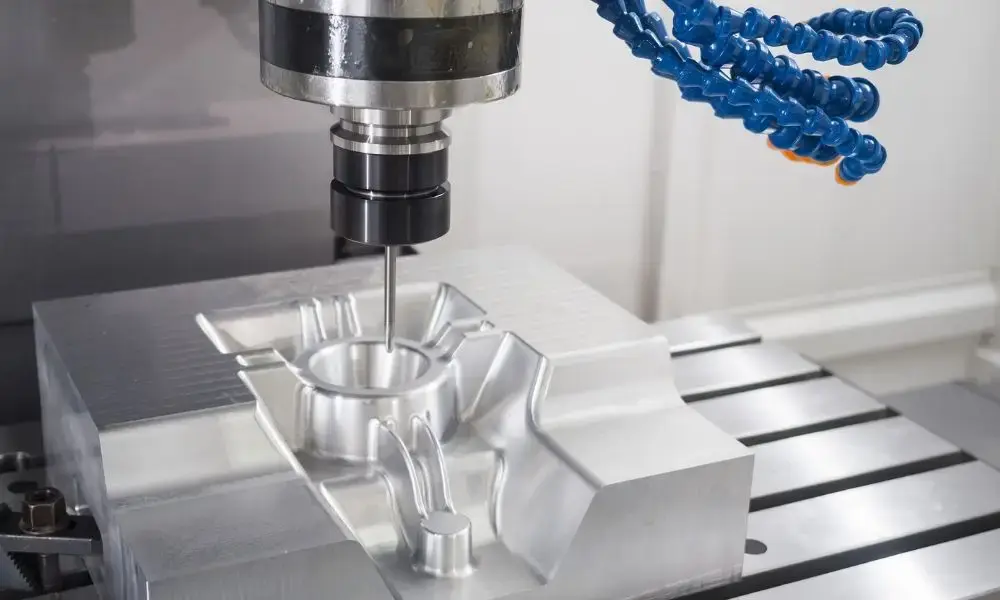
Designing for RIM
Successful RIM engineering starts long before production — with a design that is technically and economically feasible for the process. Here is the 3-step design review:
Submit Your CAD File
Send your file by e-mail or through our secure upload portal. Our engineers review it for technical and economic feasibility and return a clear set of design recommendations.
Review & Confirm
You evaluate our design proposal, confirm the recommended adjustments, and update your CAD files accordingly.
Iterate to Readiness
We repeat the review as needed — until your part is fully feasible for reaction injection molding and ready for tooling.
The goal is not just a moldable part — it’s a part that performs in production, meets your cost targets, and gets to market without unnecessary re-tooling.
What RIM Engineering Reviews Cover
During the design review, Rimnetics evaluates each part for the factors that determine production success:
- ✓Wall-thickness variation and structural-foam requirements
- ✓Draft angles and parting-line placement for clean demolding
- ✓Rib geometry, deep-draw sections, and undercuts
- ✓Molded-in inserts, bosses, wire guides, and other assembly aides
- ✓Insert and encapsulation locations for hardware or electronics
- ✓Gate placement and fill-path optimization
- ✓Tooling approach and estimated tooling investment
This early-stage engineering review is what prevents costly surprises downstream — and what separates a RIM manufacturing partner from a commodity molder.
Tooling Cost & Flexibility: RIM vs. Injection Molding
One of the biggest cost advantages of RIM is the tooling material. Injection molding typically requires hardened steel tools costing tens of thousands of dollars before a single part is made. RIM is different.
| Consideration | RIM Tooling | Injection Molding Tooling |
|---|---|---|
| Tooling material | Machined aluminum | Hardened steel |
| Upfront tooling investment | Low to moderate | High to very high |
| Prototype tool usable for production | Yes | Rarely |
| Tool modification cost | Low — aluminum machines quickly | High — steel is hard to modify |
| Lead time to first article | Shorter | Longer |
| Best-fit production volume | 50 to several thousand units/yr | High to very high volumes |
| Tooling risk if volumes change | Low | High |
RIM tooling is the right engineering decision for programs where annual volumes are low to medium, geometry is complex, and budget certainty matters. For most structural-enclosure programs in the 50-to-several-thousand-units-per-year range, the total program economics make RIM the right fit.
RIM Tooling: What You Need to Know
Reliable tooling is the foundation of a quality RIM part — and with RIM it seldom has to be expensive. Rimnetics has supported hundreds of tools across an exceptionally diverse range of applications.
Aluminum Tooling: The RIM Advantage
Machined aluminum is the highest-grade tooling the RIM process needs — and at Rimnetics it’s guaranteed for unlimited shots. That means:
- ✓Lower upfront tooling investment compared to injection molding
- ✓Faster machining and shorter lead times to first article
- ✓The same tool used for prototyping can run full production
- ✓Easier, less-expensive modifications if design changes are needed
In-House Tool Changes & Repairs
Our dedicated tooling shop sits in the same facility as molding, so tooling and molding are under one roof:
- ✓Tool adjustments made quickly the moment an issue is identified
- ✓First-article parts move into production without unnecessary delays
- ✓Engineering, tooling, and production teams communicate directly
Taking Over Off-Shore Tooling
Have existing tooling that’s underperforming or built to a spec that no longer fits? Rimnetics has taken over off-shore and third-party tooling more than once — evaluating the tools, making the necessary modifications, and bringing the program into production.
Not Sure What Volumes to Expect?
One of the most important — and hardest — decisions when buying a tool is how many units you’ll produce per year, and being wrong is expensive when tooling is tied to a volume assumption that doesn’t hold. Because RIM tooling investment is low relative to injection molding, you reach market quickly and at far lower financial risk. If volumes come in low, you’re not sitting on a six-figure steel tool you can’t recover; if they grow, the same aluminum tool scales with you.
Industries We Serve
Rimnetics partners with engineering and sourcing teams where part performance, structural integrity, and production reliability are not optional.
Medical Devices
Structural enclosures and housings for diagnostic equipment, imaging systems, and medical carts.
Laboratory Equipment
Instrument housings and enclosures for analyzers, benchtop equipment, and scientific instruments.
Robotics
Structural housings and integrated assemblies for robotic systems and automation platforms.
Electric Vehicle
Lightweight structural housings, covers, and enclosures for EV platforms and charging systems.
Industrial Equipment
Structural parts and enclosures for industrial machinery and equipment panels.
Why Rimnetics for RIM Engineering & Tooling
Rimnetics is a single-source RIM engineering and tooling partner with decades of process expertise and in-house tooling changes and repairs under one roof.
- ✓40+ Years of RIM Expertise — Faster decisions, fewer iterations, smoother ramps.
- ✓In-House Tooling Change Shop & Molding — Same facility, same-day adjustments.
- ✓Aluminum Tooling, Unlimited Shots — No steel required, lower cost, faster lead times.
- ✓Single-Source Manufacturing — Design, tooling, molding, and finishing under one roof.
- ✓24-72 Hour CAD Review — Actionable engineering feedback within one to three business days
- ✓ISO 9001:2015 Registered, ITAR Compliant — Built for medical, defense, and regulated industries.
RIM Tooling & Engineering FAQs
What is RIM engineering?+
What is RIM tooling?+
How much does RIM tooling cost?+
How long does RIM tooling take?+
Can the same RIM tool be used for prototyping and production?+
What is design for RIM (DFRIM)?+
Can Rimnetics take over tooling built by another manufacturer?+
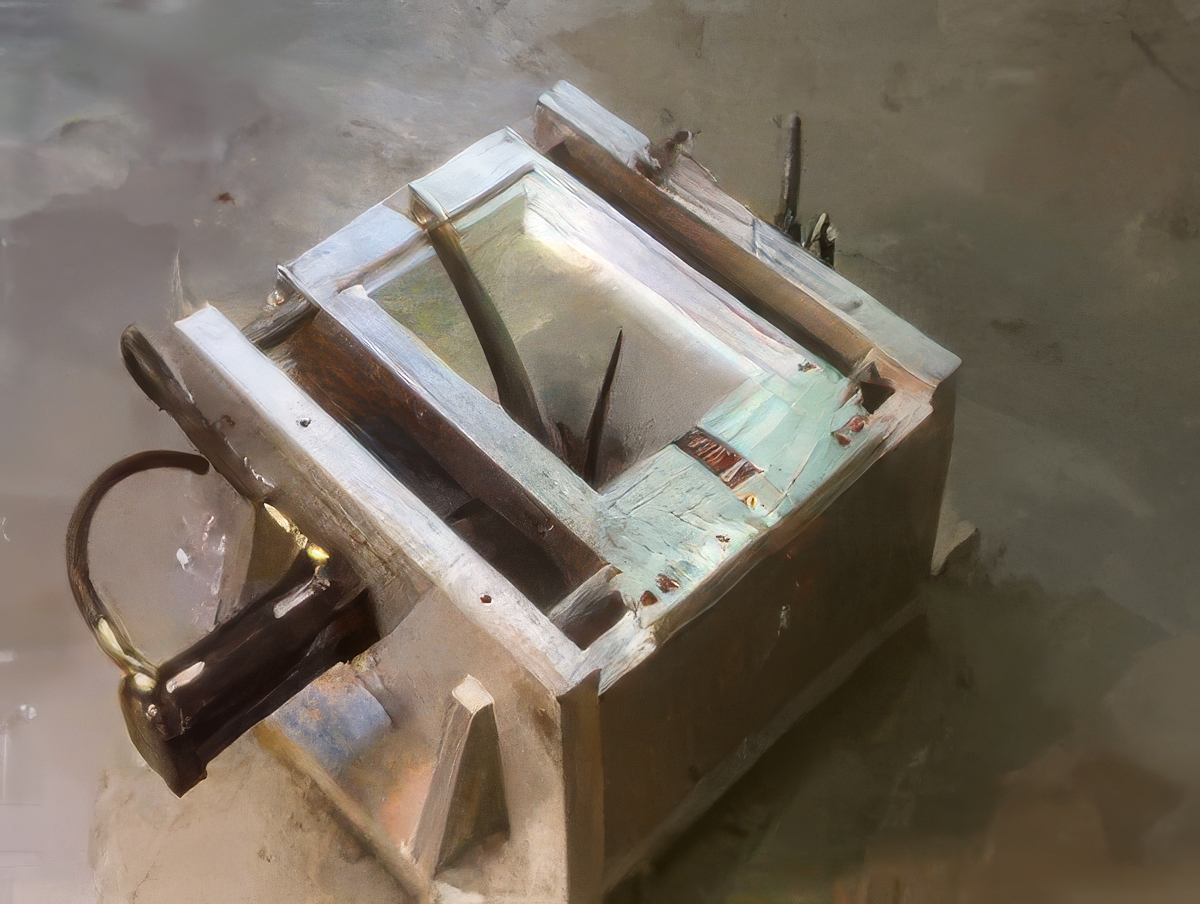
Ready to Start Your RIM Tooling & Engineering Project?
If your part is large, complex, or structurally demanding, RIM engineering and aluminum tooling can get it to production faster and at lower risk.
Upload your CAD file for a fast feasibility review, or reach out to us today to speak with a RIM specialist.